Cancer treatment has undergone significant evolution over the past few decades. While chemotherapy and radiation remain common, targeted therapy has emerged as a breakthrough approach. Unlike traditional treatments that affect the entire body, targeted therapy attacks only the cancer cells with specific mutations or proteins. This precision makes it more effective for some patients and often results in fewer side effects.
But who exactly can receive targeted therapy, and what should patients know before considering it? Let’s dive deeper.
What is Targeted Therapy?
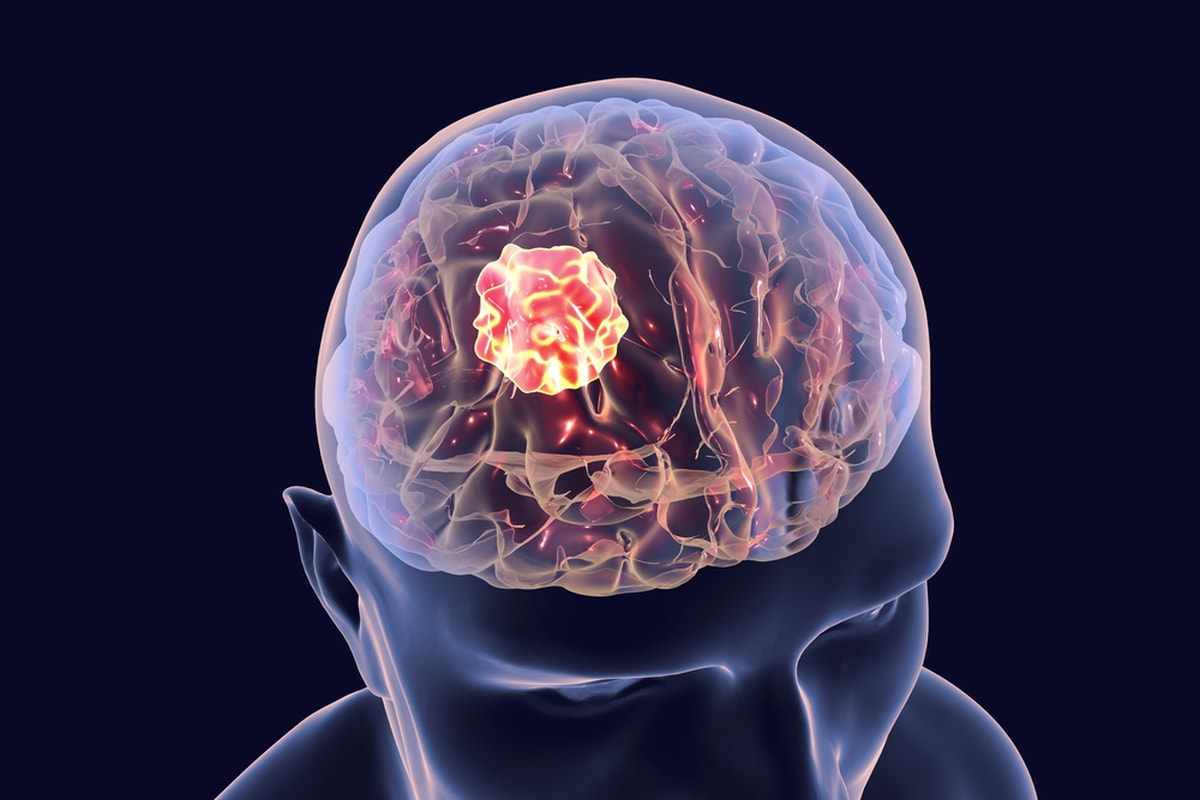
Targeted therapy is a type of cancer treatment that uses drugs designed to block the growth and spread of cancer by focusing on specific molecules within tumour cells. Unlike chemotherapy, which affects both healthy and cancerous cells, targeted therapy works selectively.
Some targeted medicines block the signals that tell cancer cells to grow, while others help the immune system identify and attack cancer cells. Because it focuses on the unique characteristics of a patient’s cancer, targeted therapy is often called “personalised medicine.”
Who is Eligible for Targeted Therapy?
Eligibility for targeted therapy depends on several factors:
1. Genetic Profile of the Cancer
Doctors perform biomarker or molecular testing to identify specific genetic mutations in the tumour.
Patients whose cancer cells carry the relevant mutation are more likely to benefit from targeted therapy. For example, HER2-positive breast cancer patients may receive drugs that specifically block the HER2 protein.
2. Type of Cancer
Targeted therapy is commonly used for:
Lung cancer (non-small cell)
Breast cancer
Colorectal cancer
Certain leukaemias and lymphomas
Kidney cancer and melanoma, in some cases
3. Stage of Cancer
It may be recommended if the cancer is advanced, has spread, or is resistant to other treatments.
Targeted therapy can also be combined with chemotherapy or immunotherapy for better outcomes.
4. Overall Health Condition
Doctors assess overall health, medical history, and organ function before recommending treatment. Patients need to be strong enough to tolerate possible side effects.
Benefits of Targeted Therapy
Precision Treatment – Focuses only on cancer cells, sparing healthy tissue.
Better Tolerance – Generally causes fewer side effects than chemotherapy.
Slows Cancer Growth – Blocks signals that allow tumours to grow and spread.
Convenient Options – Some drugs are oral, making them easier to take at home.
Can Be Combined – Works alongside other treatments for improved results.
Possible Side Effects
Even though targeted therapy is gentler than chemotherapy, it can still cause:
Fatigue or weakness
High blood pressure
Skin rashes or dryness
Diarrhea
Blood clotting issues
Liver function changes
Close monitoring is essential to manage side effects and ensure treatment effectiveness.
Who Should Talk to a Doctor About Targeted Therapy?
Newly diagnosed cancer patients – Genetic testing can reveal targeted options.
Patients who didn’t respond to chemotherapy or radiation – Targeted therapy may be the next step.
Those with advanced-stage cancer – It can slow disease progression and help manage symptoms.
It’s important to note that targeted therapy is not suitable for every type of cancer, but research is rapidly expanding available options.
Targeted Therapy in India
India is becoming a preferred destination for advanced cancer treatments, including targeted therapy. Patients choose India because:
Advanced diagnostic tests and genetic profiling are available.
Highly skilled oncologists provide world-class care.
Treatments are more affordable compared to those in many Western countries.
When considering treatment abroad, patients often ask about Targeted Therapy Cost in India, which is significantly lower than in Europe or the U.S., without compromising the quality of care. Many international patients also travel to India for other specialised procedures like Limb lengthening Surgery, which is similarly more accessible.
Final Thoughts
Targeted therapy represents one of the most promising advancements in cancer treatment. It offers hope to patients who may not respond well to chemotherapy and provides a personalised approach to fighting cancer.
Eligibility depends on genetic testing, cancer type, stage, and overall health. If you or a loved one is considering this therapy, consulting an experienced oncologist is the best first step. With India’s growing medical expertise and cost-effective options, patients now have greater access to world-class targeted therapy.



Write a comment ...